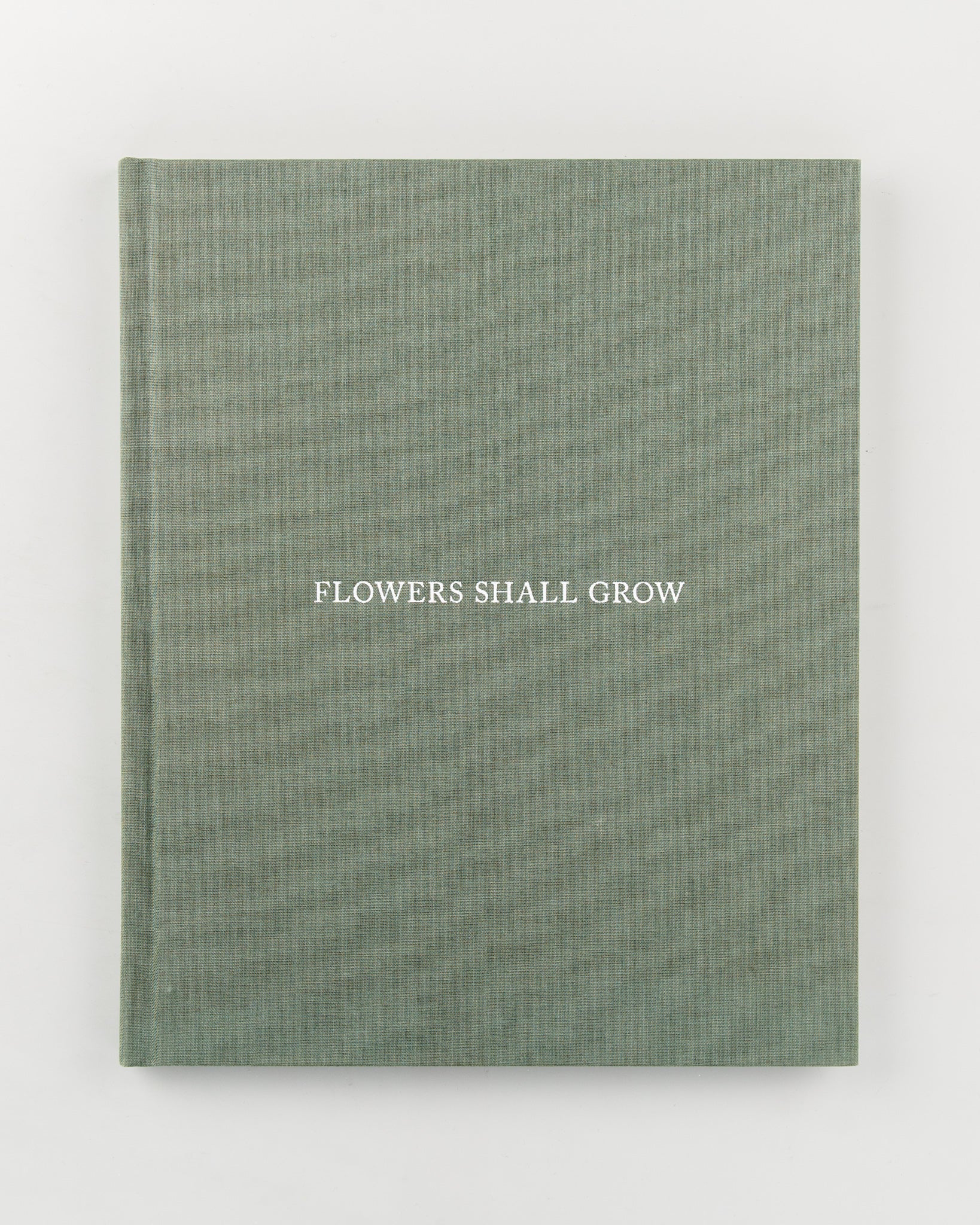
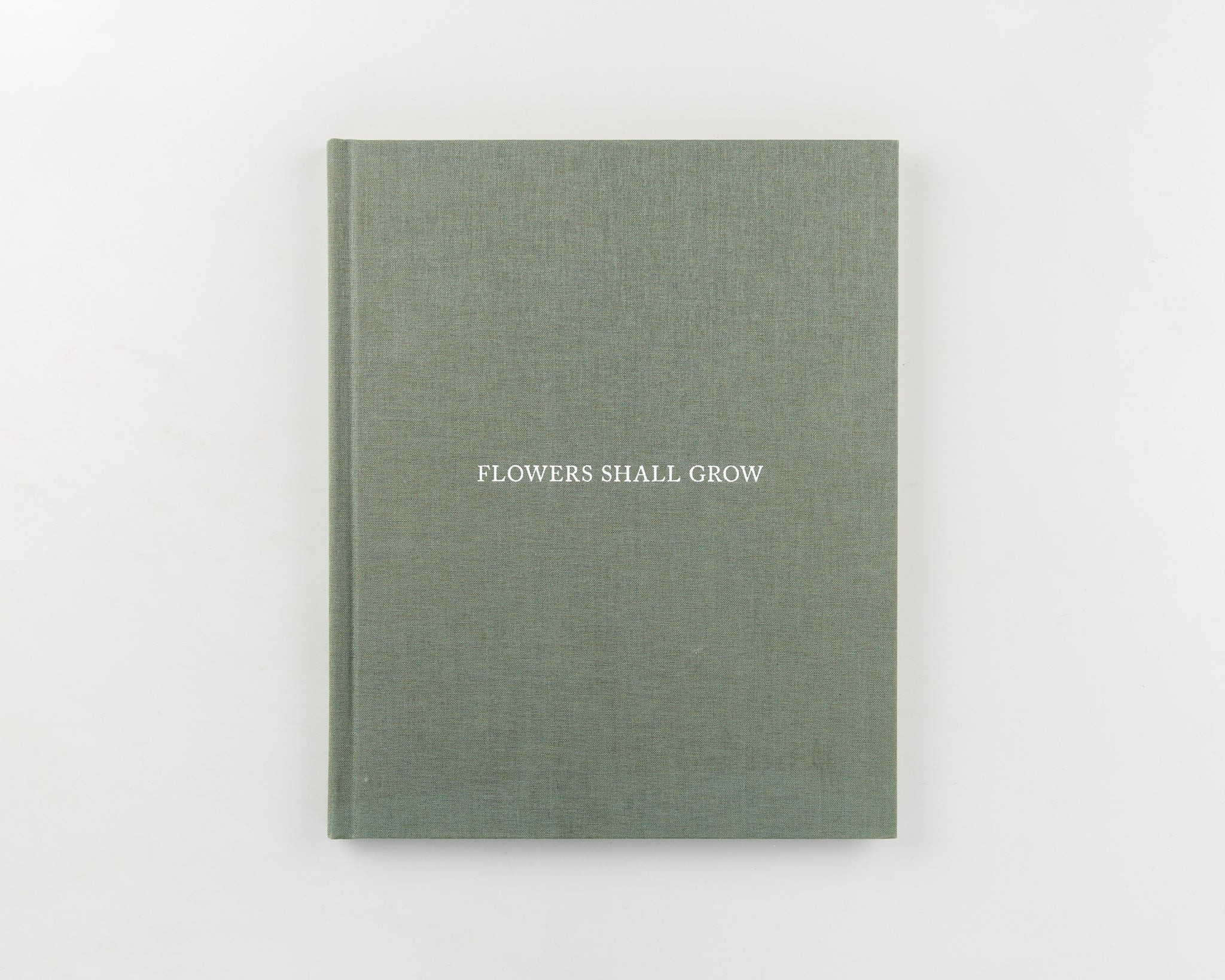
Akihiko Okamura: The Memories of Others
Published as a collection for the first time, these arresting and poetic and images of Northern Ireland reveal a rarely examined facet of the oeuvre of a celebrated twentieth century war photographer.
Akihiko Okamura became a renowned war photographer during the first years of the Vietnam war and later, as he documented wars in Biafra and the Middle East. In 1969, he moved from Southeast Asia to Dublin. From there, Okamura traveled frequently to Derry and other parts of Northern Ireland to document the country’s “Troubles.”
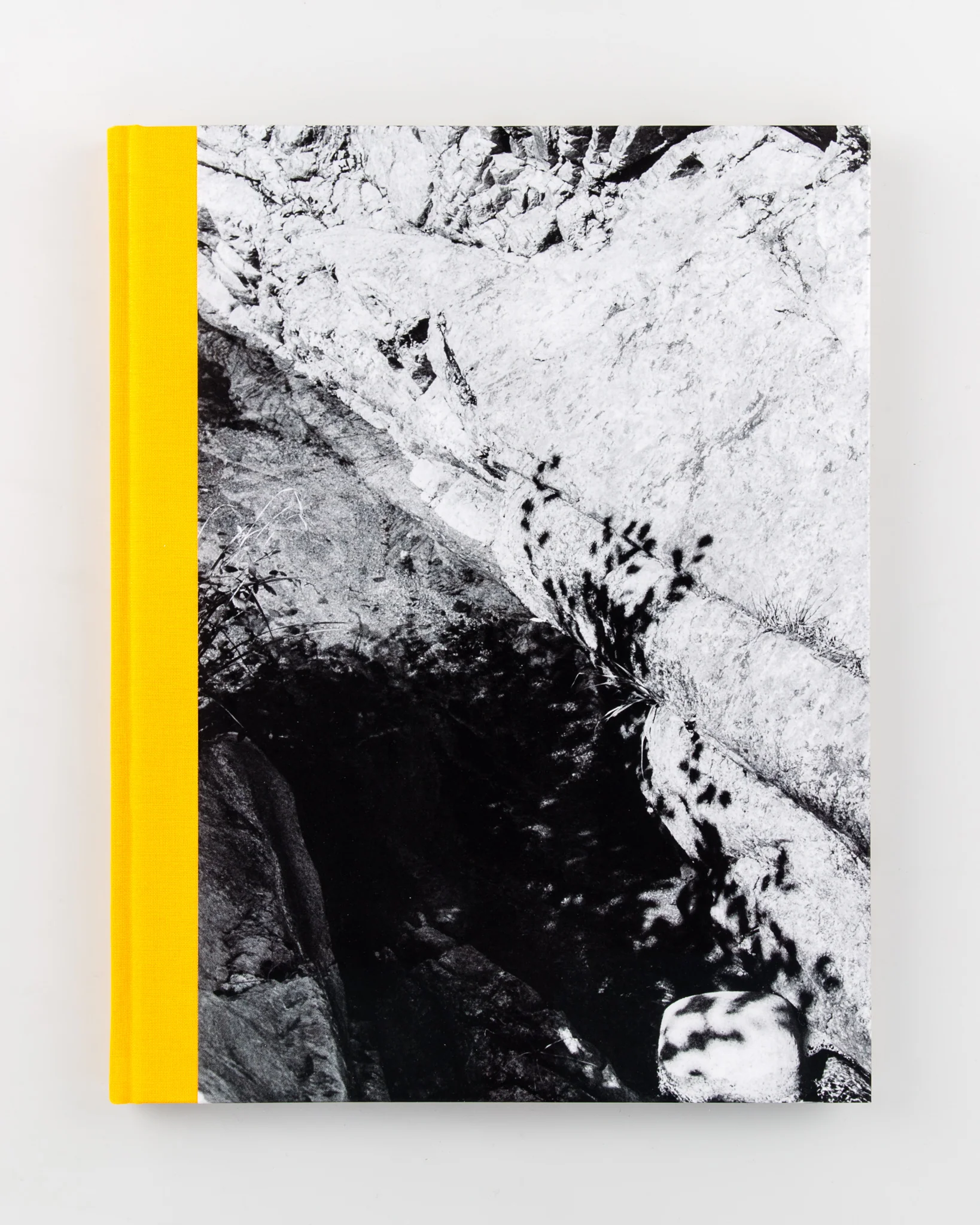
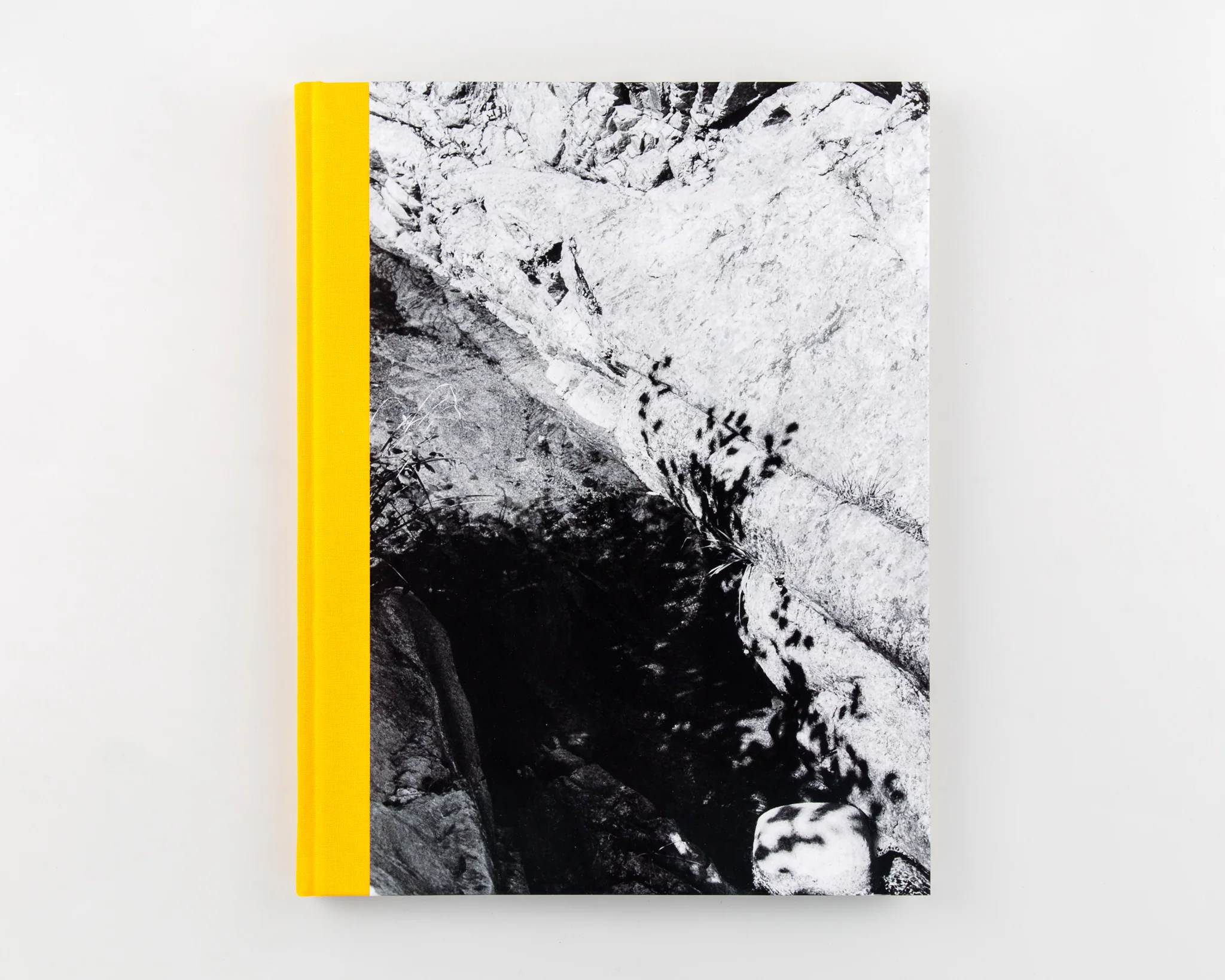
This beautifully produced book brings together for the first time Okamura’s Irish work, which was almost entirely unpublished before now. Presented in full page plates without text, Okamura’s images are imbued with soft, muted colors that contrast with the violence of the situation in which they were conceived. Brimming with feelings of fear, dread, anticipation, and resignation, these images reveal Okamura’s humanity and curiosity, his concern with day-to-day existence, and the absurdities, incongruities, and disruptions of life during wartime: women preparing afternoon tea outside bombed rowhouses; girls dressed in their Sunday best leaving flowers at a roadside shrine; a collection of empty milk bottles destined to become incendiary devices.
Illuminating essays by renowned photographic historians and experts place this astounding collection in context with Okamura’s larger body of work and situate these images within the history of both the medium and the country.
Product Information
Product Information
Shipping & Returns
Shipping & Returns


Akihiko Okamura: The Memories of Others
Akihiko Okamura: The Memories of Others
Published as a collection for the first time, these arresting and poetic and images of Northern Ireland reveal a rarely examined facet of the oeuvre of a celebrated twentieth century war photographer.
Akihiko Okamura became a renowned war photographer during the first years of the Vietnam war and later, as he documented wars in Biafra and the Middle East. In 1969, he moved from Southeast Asia to Dublin. From there, Okamura traveled frequently to Derry and other parts of Northern Ireland to document the country’s “Troubles.”
This beautifully produced book brings together for the first time Okamura’s Irish work, which was almost entirely unpublished before now. Presented in full page plates without text, Okamura’s images are imbued with soft, muted colors that contrast with the violence of the situation in which they were conceived. Brimming with feelings of fear, dread, anticipation, and resignation, these images reveal Okamura’s humanity and curiosity, his concern with day-to-day existence, and the absurdities, incongruities, and disruptions of life during wartime: women preparing afternoon tea outside bombed rowhouses; girls dressed in their Sunday best leaving flowers at a roadside shrine; a collection of empty milk bottles destined to become incendiary devices.
Illuminating essays by renowned photographic historians and experts place this astounding collection in context with Okamura’s larger body of work and situate these images within the history of both the medium and the country.
Original: $40.00
-65%$40.00
$14.00Product Information
Product Information
Shipping & Returns
Shipping & Returns
Description
Published as a collection for the first time, these arresting and poetic and images of Northern Ireland reveal a rarely examined facet of the oeuvre of a celebrated twentieth century war photographer.
Akihiko Okamura became a renowned war photographer during the first years of the Vietnam war and later, as he documented wars in Biafra and the Middle East. In 1969, he moved from Southeast Asia to Dublin. From there, Okamura traveled frequently to Derry and other parts of Northern Ireland to document the country’s “Troubles.”
This beautifully produced book brings together for the first time Okamura’s Irish work, which was almost entirely unpublished before now. Presented in full page plates without text, Okamura’s images are imbued with soft, muted colors that contrast with the violence of the situation in which they were conceived. Brimming with feelings of fear, dread, anticipation, and resignation, these images reveal Okamura’s humanity and curiosity, his concern with day-to-day existence, and the absurdities, incongruities, and disruptions of life during wartime: women preparing afternoon tea outside bombed rowhouses; girls dressed in their Sunday best leaving flowers at a roadside shrine; a collection of empty milk bottles destined to become incendiary devices.
Illuminating essays by renowned photographic historians and experts place this astounding collection in context with Okamura’s larger body of work and situate these images within the history of both the medium and the country.