A Period of Juvenile Prosperity
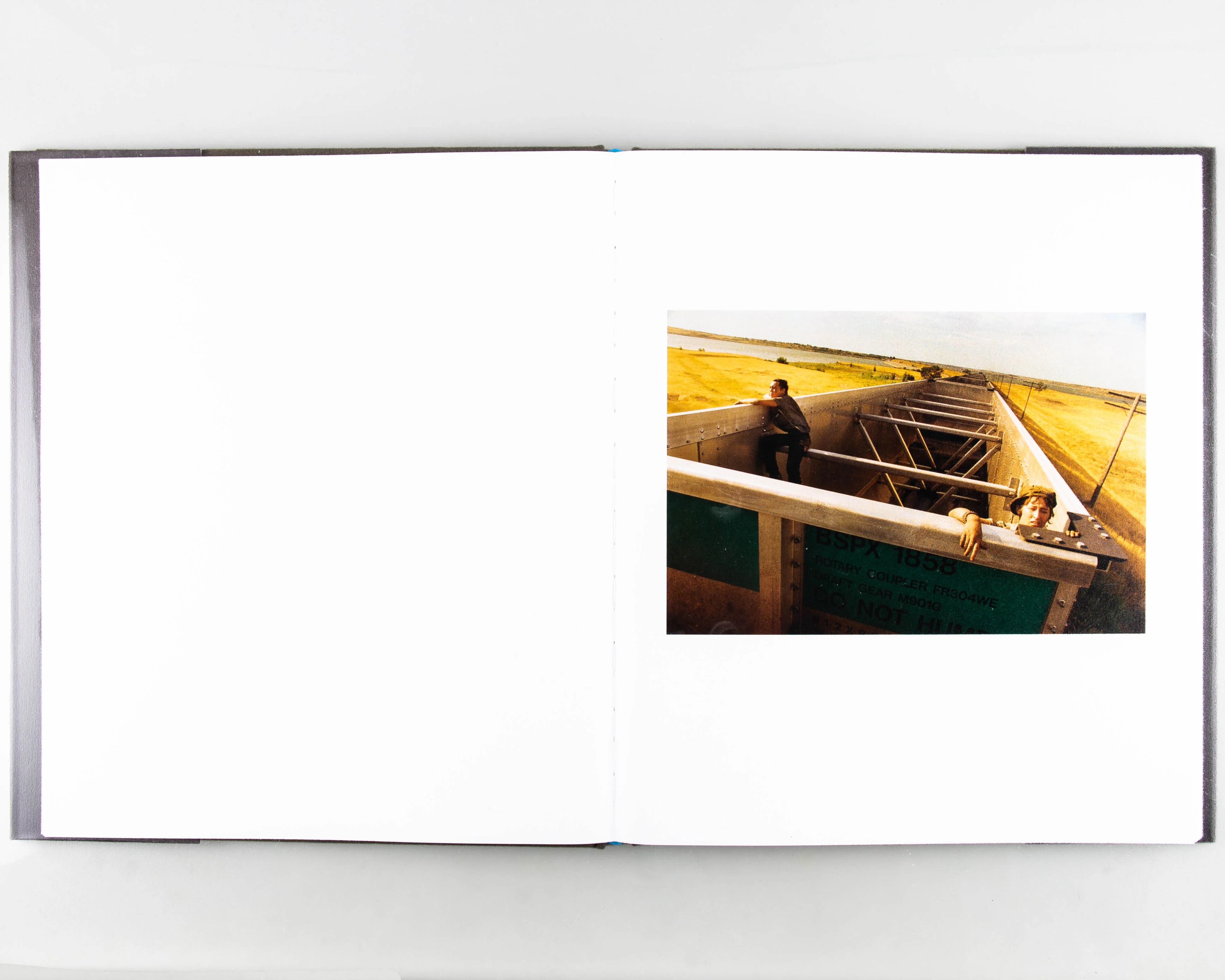
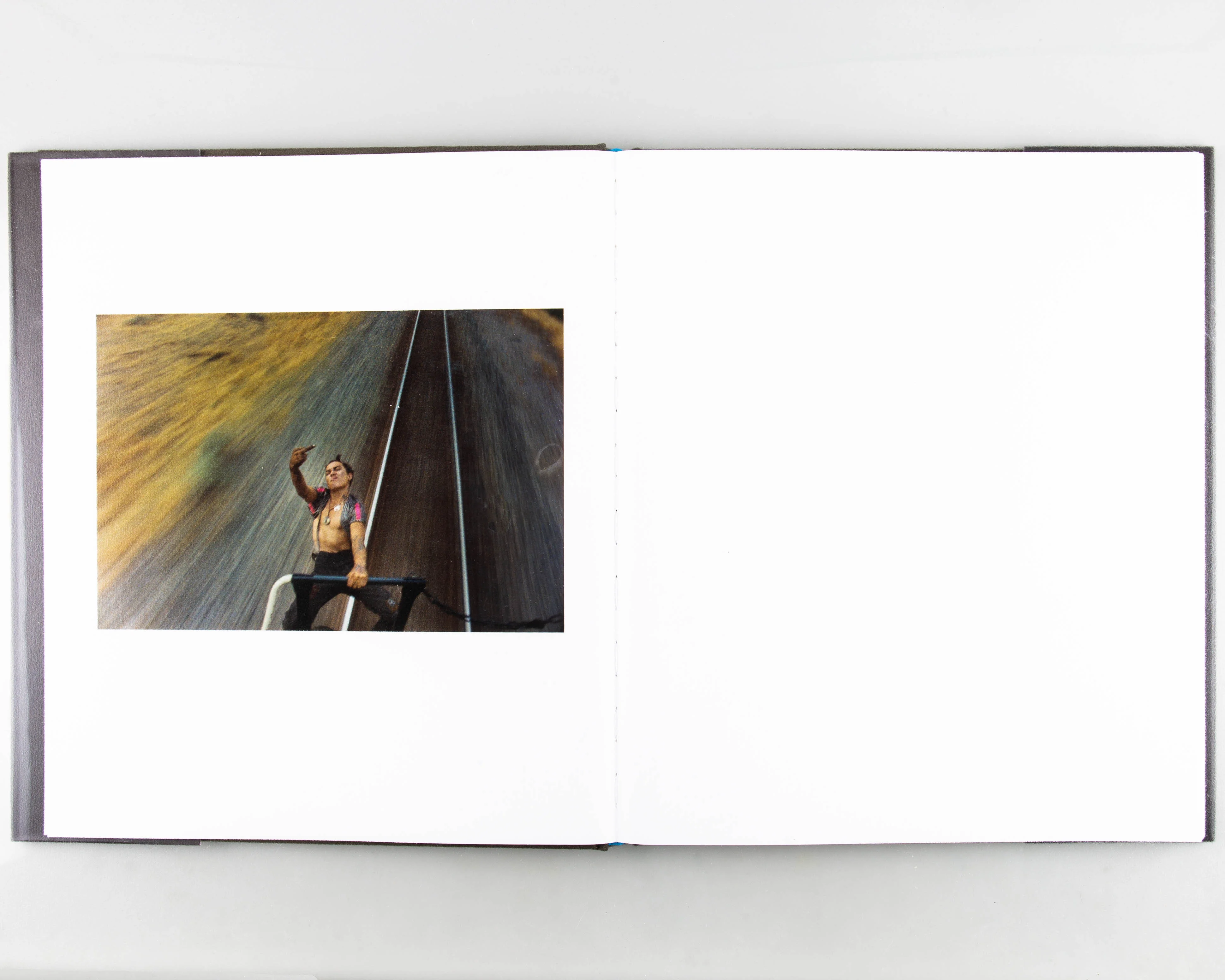
Mike Brodie’s first monograph, A Period of Juvenile Prosperity touched down more than a decade ago, depicting his fellow rail-riders and drifters in a rebellious and wildfire pursuit of adventure and freedom. “Brodie leapt into the life of picture-making as if he was the first to do it,” Danny Lyon wrote about the book in Aperture. Next came Tones of Dirt and Bone, a collection of earlier SX-70 pictures Brodie made when photography first led him to hopping freights, when he was known as “The Polaroid Kidd.” And then Brodie seemed to disappear from the art world as suddenly and mysteriously as he’d first appeared. Maybe his vanishing was another myth. Maybe it was just a necessary retreat. “I was divorcing myself from all that,” he says. “I was growing up. I was pursuing this other life.”
In Nashville he became a diesel mechanic. Fell in love. Moved across the country again. Got married. Bought land on the long dusty Winnemucca road Johnny Cash sang about. Started his own business. Built a house. Put down roots. And when that life exploded, the open road called again. Throughout almost all of it, his cameras were with him, and at last those pictures are coming to light.
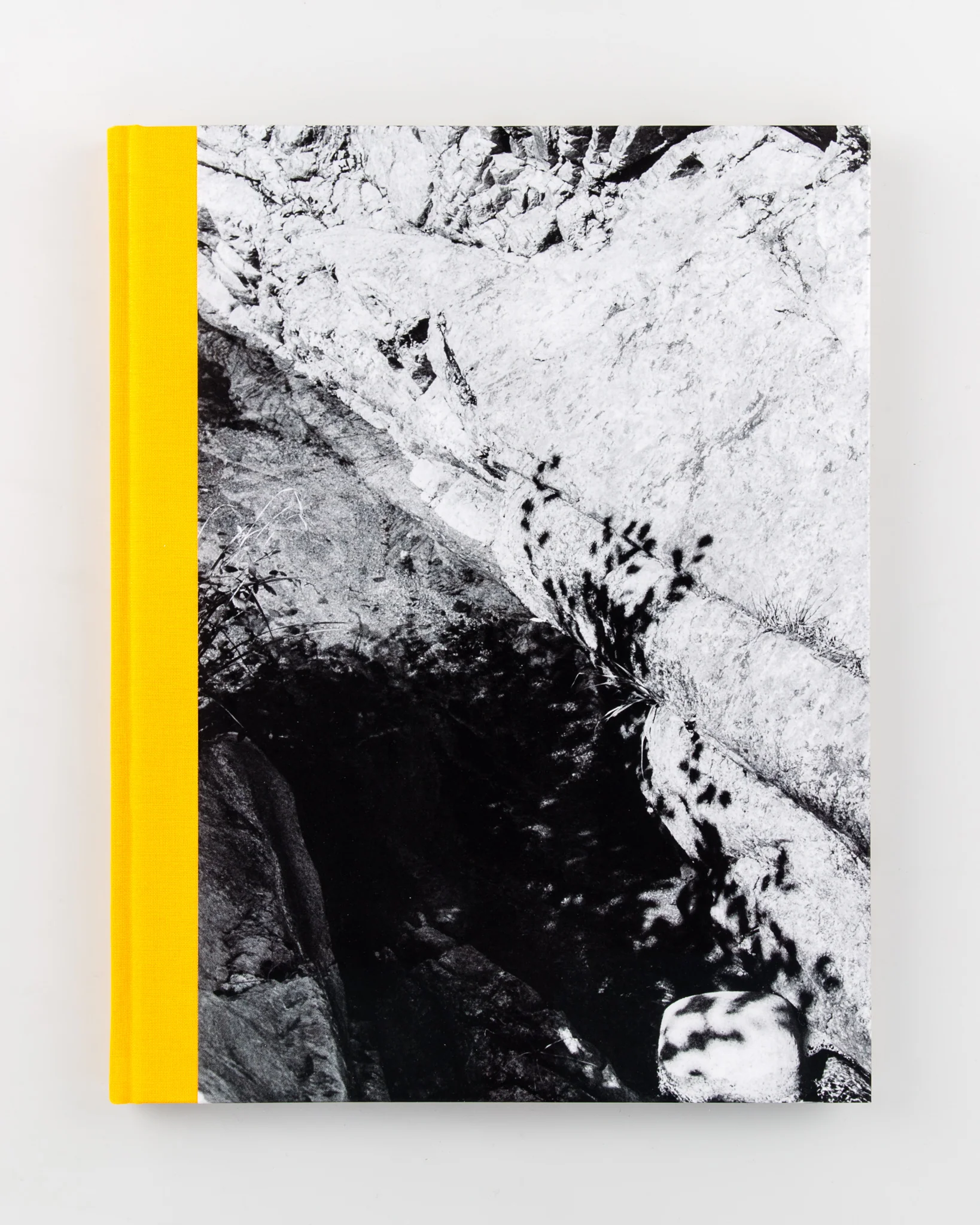
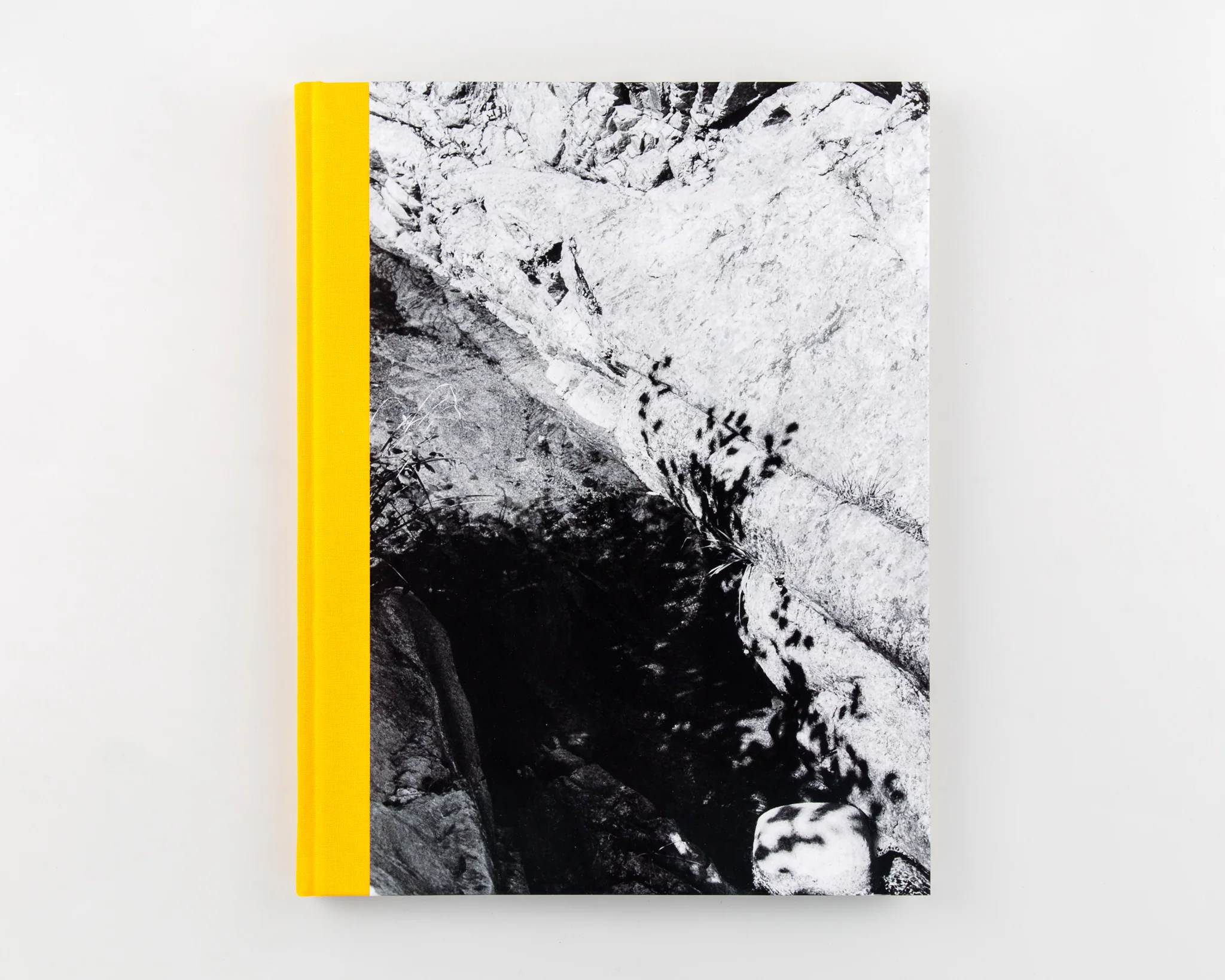
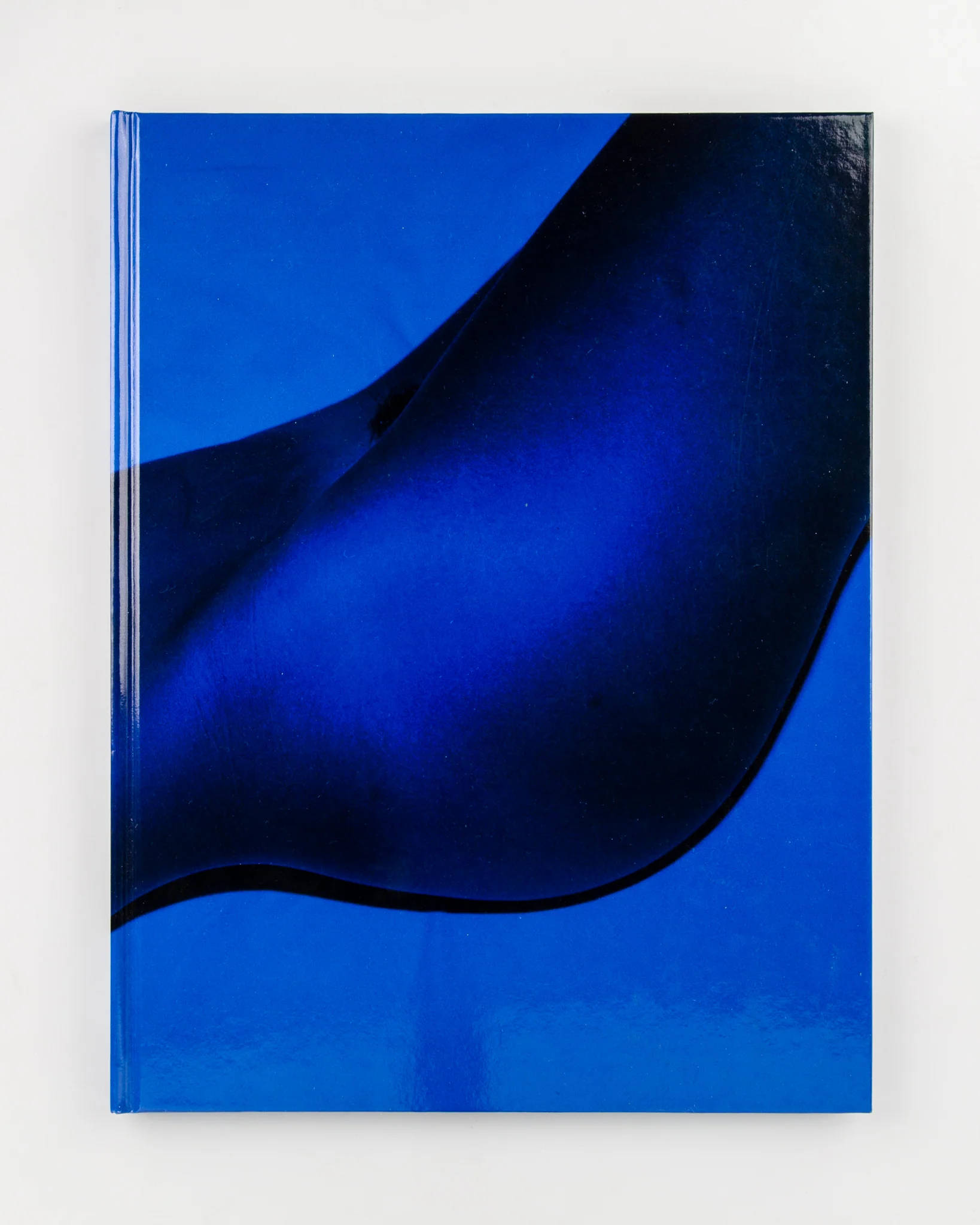
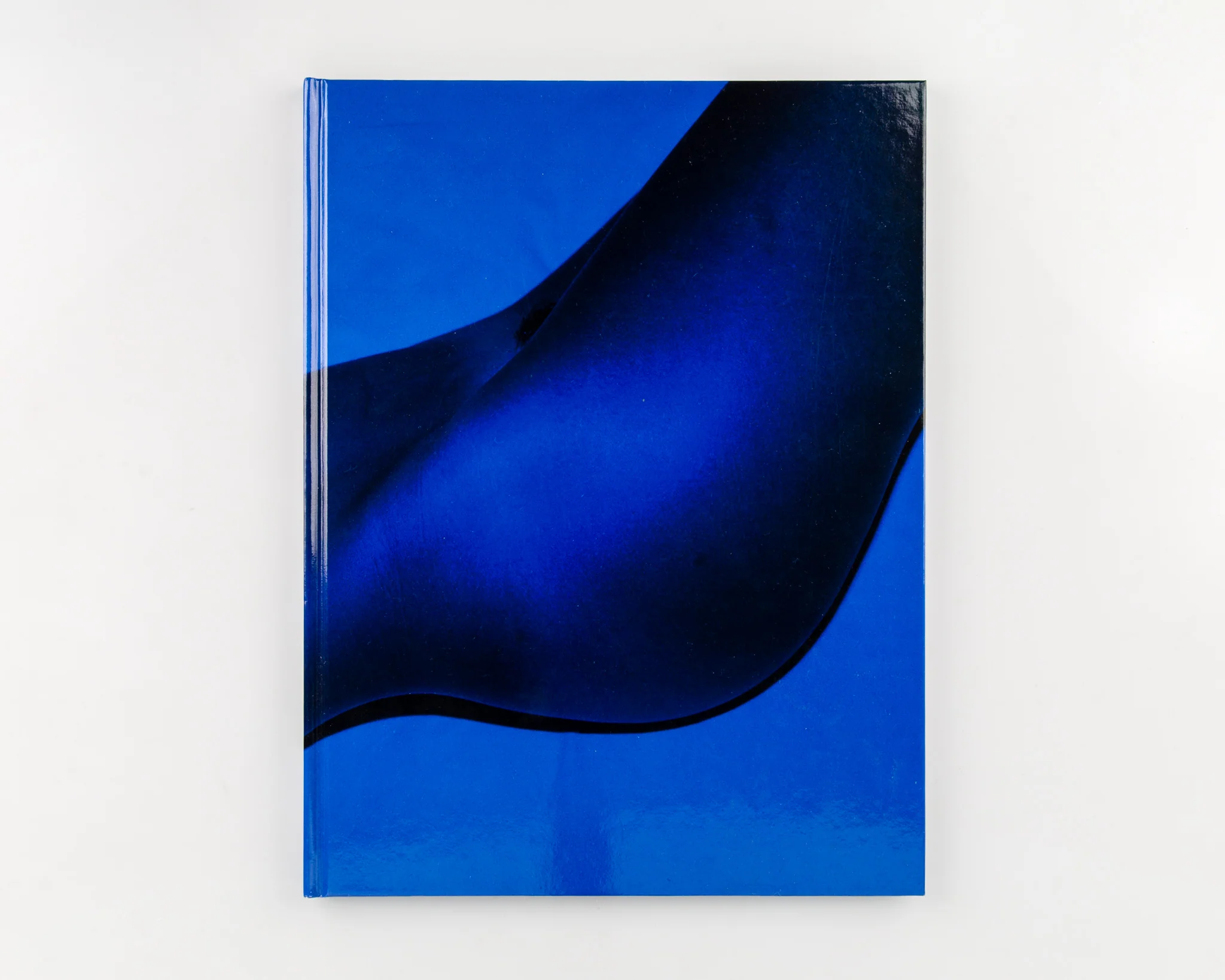
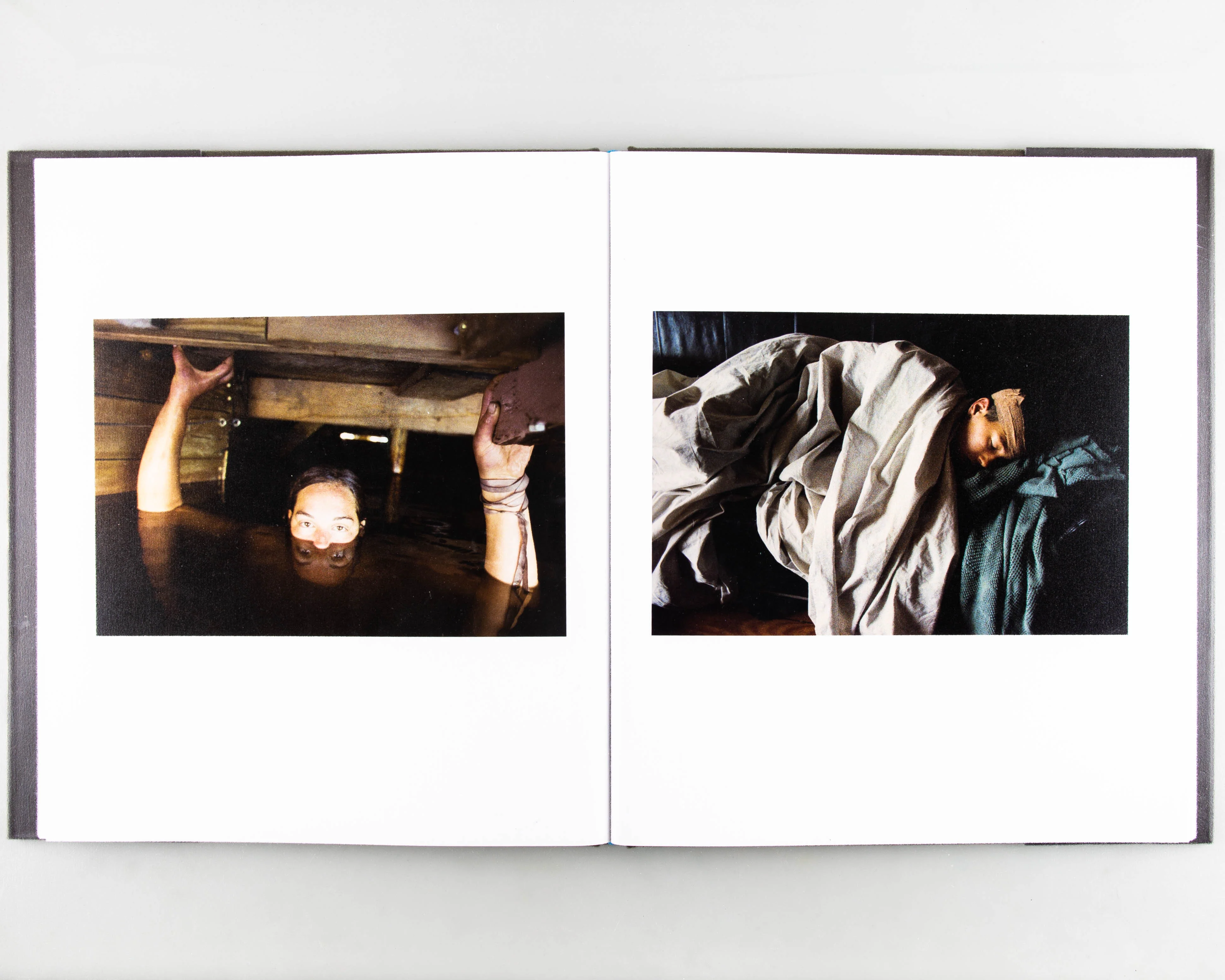
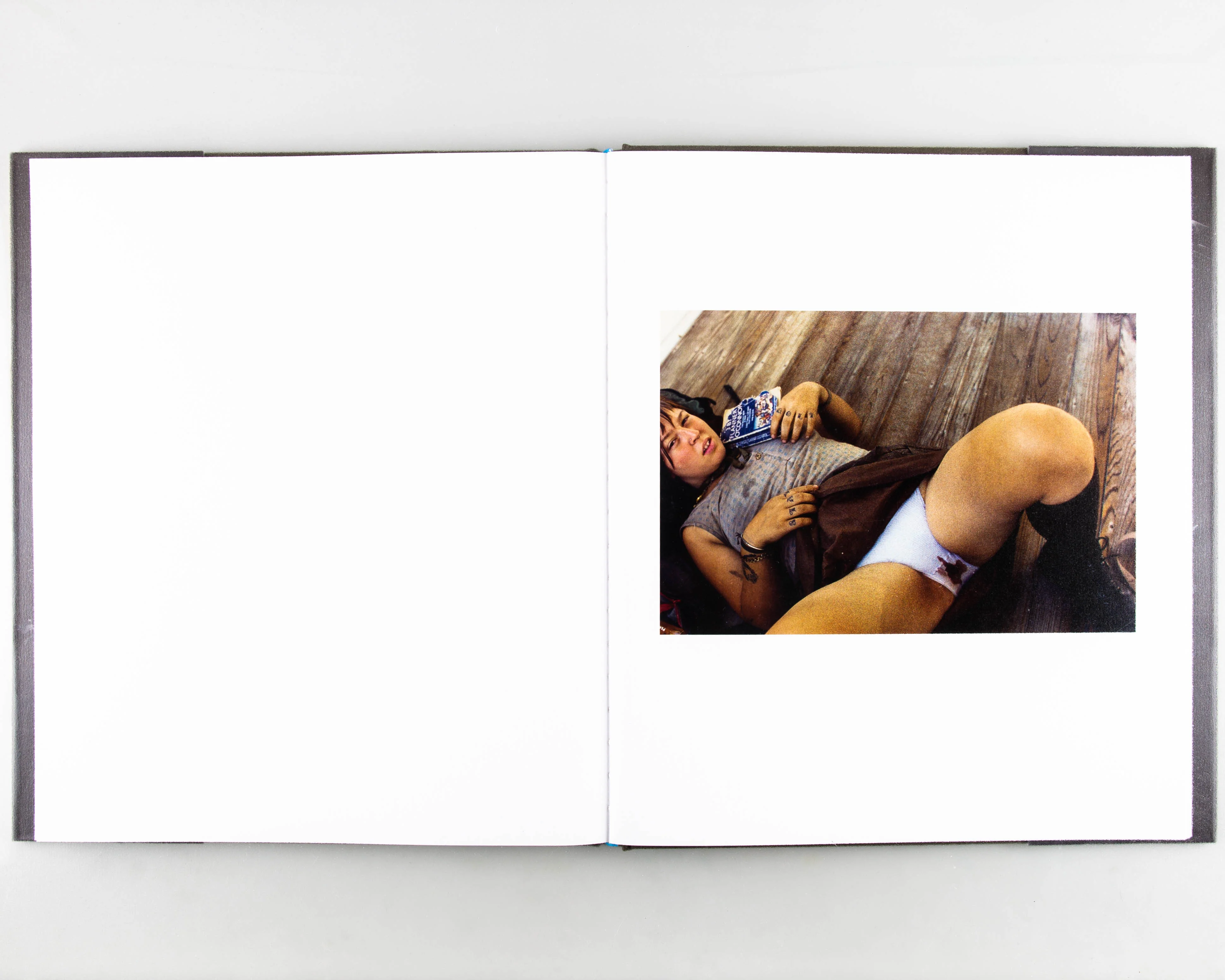
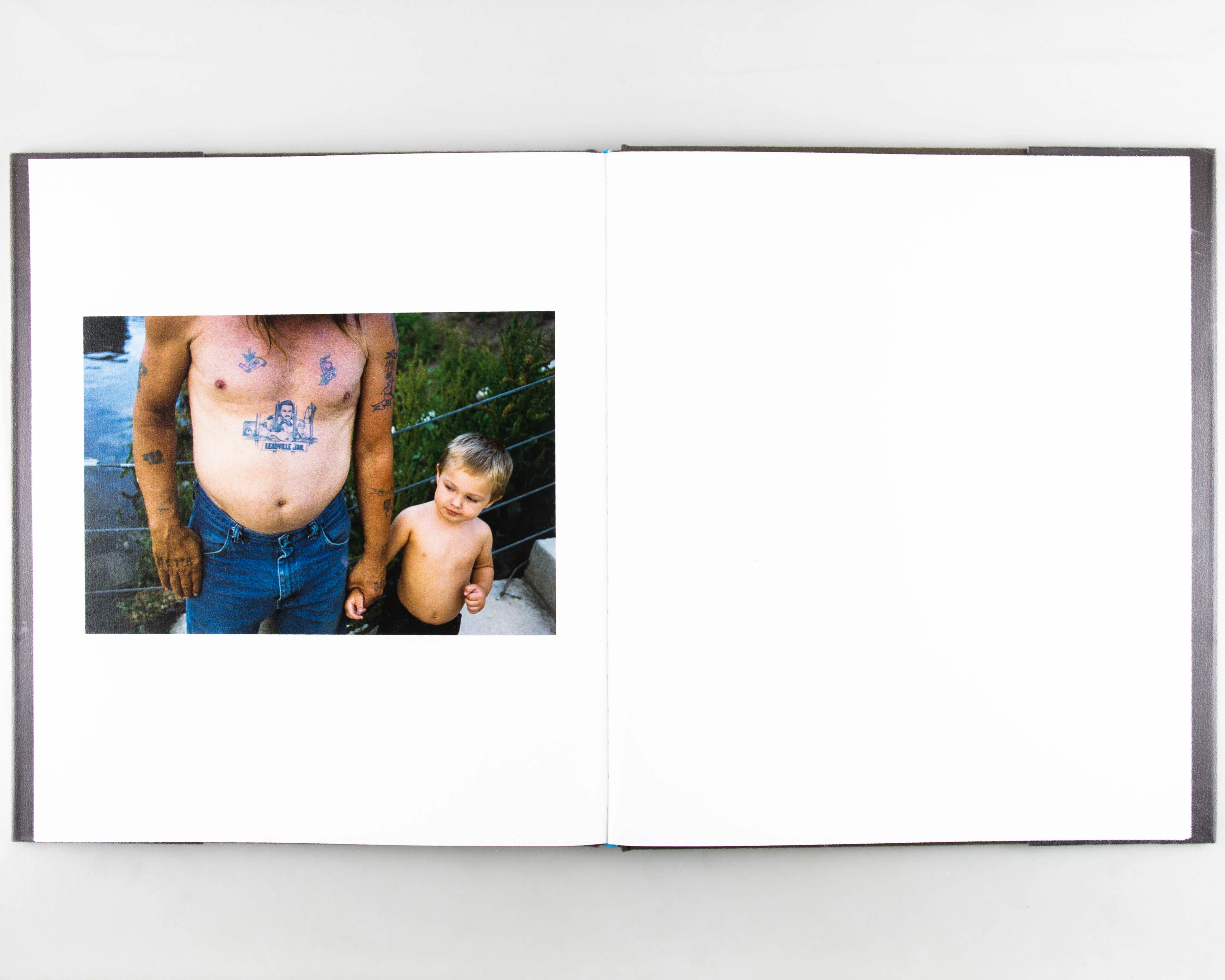
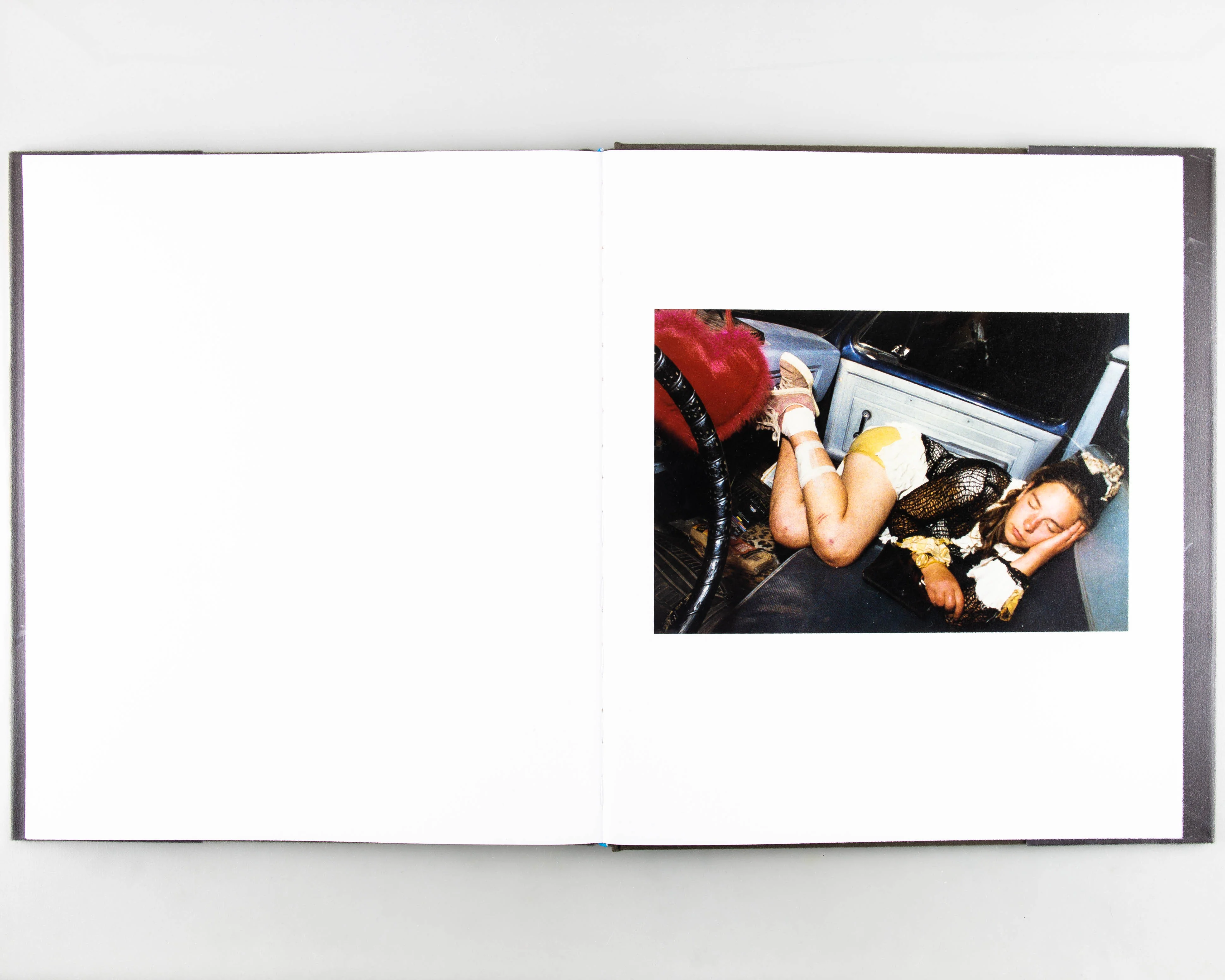
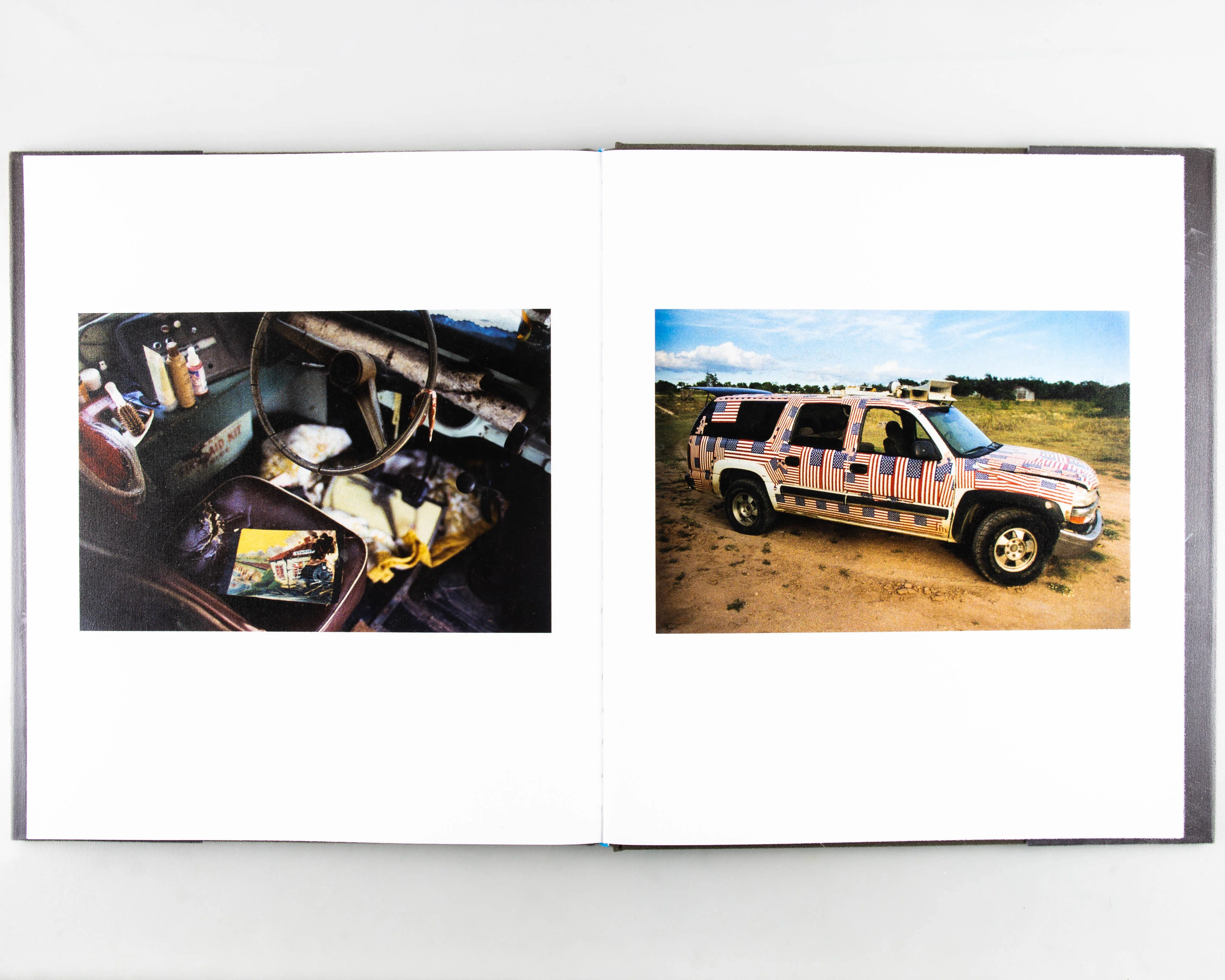
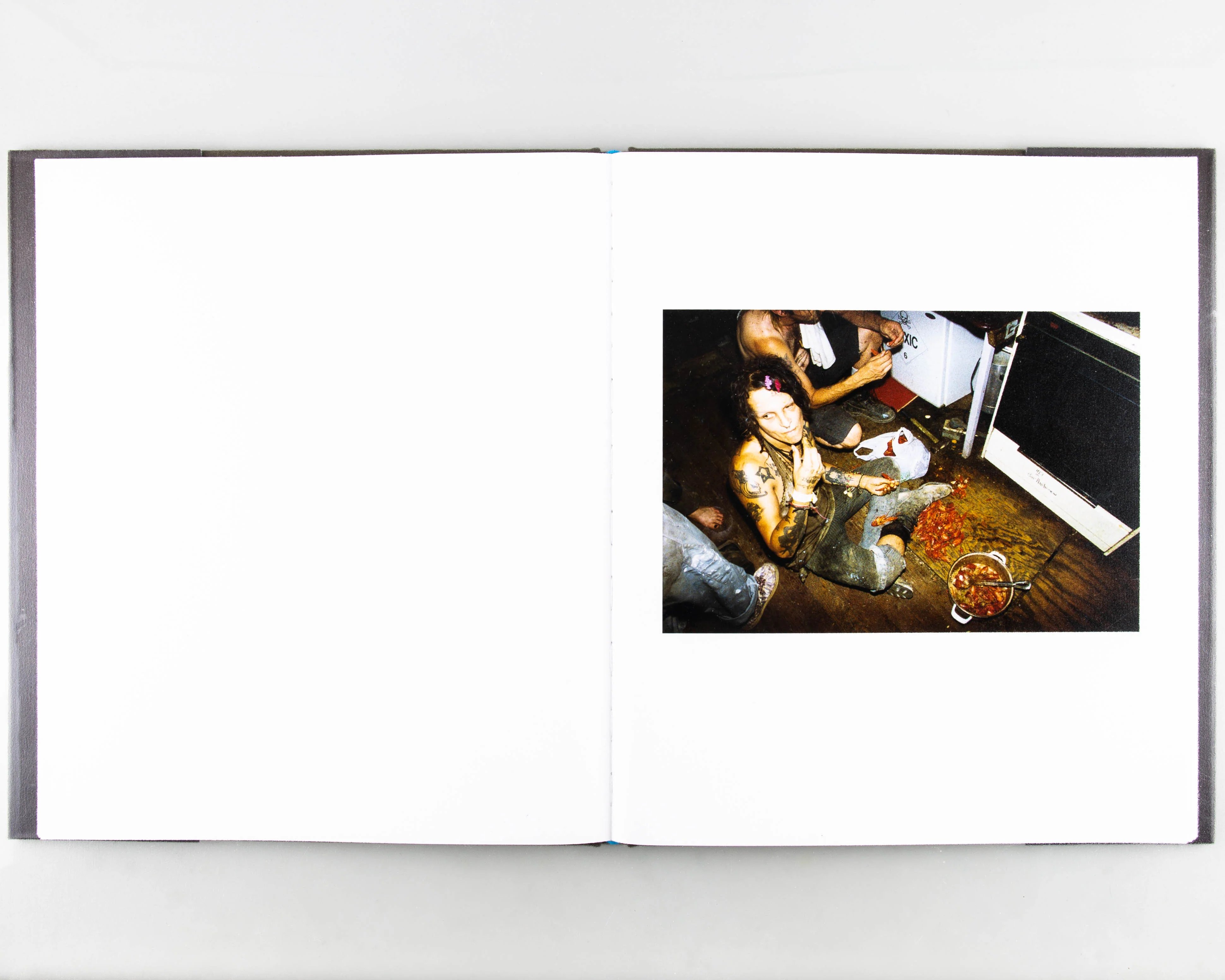
If Michael Brodie’s first monograph was a cinematic dream, Failing is the awakening and the reckoning, a raw, wounded, and searingly honest photographic diary of a decade marked by love and heartbreak, loss and grief — biblical in its scope, and in its search for truth and meaning. Here is the flip side of the American dream, seen from within; here is bearing close witness to the brutal chaos of addiction and death; here are front-seat encounters with hitchhikers and kindred wanderers on society’s edges, sustained by the ragtag community of the road. Failing often exists in darkness but is tuned to grace. Brodie’s eye stays forever open to the strange and fleeting beauty that exists in forgotten places — the open country and the lost horizons that sweep past dust-spattered windows in a spectral blur.
Product Information
Product Information
Shipping & Returns
Shipping & Returns

A Period of Juvenile Prosperity
A Period of Juvenile Prosperity
Mike Brodie’s first monograph, A Period of Juvenile Prosperity touched down more than a decade ago, depicting his fellow rail-riders and drifters in a rebellious and wildfire pursuit of adventure and freedom. “Brodie leapt into the life of picture-making as if he was the first to do it,” Danny Lyon wrote about the book in Aperture. Next came Tones of Dirt and Bone, a collection of earlier SX-70 pictures Brodie made when photography first led him to hopping freights, when he was known as “The Polaroid Kidd.” And then Brodie seemed to disappear from the art world as suddenly and mysteriously as he’d first appeared. Maybe his vanishing was another myth. Maybe it was just a necessary retreat. “I was divorcing myself from all that,” he says. “I was growing up. I was pursuing this other life.”
In Nashville he became a diesel mechanic. Fell in love. Moved across the country again. Got married. Bought land on the long dusty Winnemucca road Johnny Cash sang about. Started his own business. Built a house. Put down roots. And when that life exploded, the open road called again. Throughout almost all of it, his cameras were with him, and at last those pictures are coming to light.
If Michael Brodie’s first monograph was a cinematic dream, Failing is the awakening and the reckoning, a raw, wounded, and searingly honest photographic diary of a decade marked by love and heartbreak, loss and grief — biblical in its scope, and in its search for truth and meaning. Here is the flip side of the American dream, seen from within; here is bearing close witness to the brutal chaos of addiction and death; here are front-seat encounters with hitchhikers and kindred wanderers on society’s edges, sustained by the ragtag community of the road. Failing often exists in darkness but is tuned to grace. Brodie’s eye stays forever open to the strange and fleeting beauty that exists in forgotten places — the open country and the lost horizons that sweep past dust-spattered windows in a spectral blur.
Product Information
Product Information
Shipping & Returns
Shipping & Returns
Description
Mike Brodie’s first monograph, A Period of Juvenile Prosperity touched down more than a decade ago, depicting his fellow rail-riders and drifters in a rebellious and wildfire pursuit of adventure and freedom. “Brodie leapt into the life of picture-making as if he was the first to do it,” Danny Lyon wrote about the book in Aperture. Next came Tones of Dirt and Bone, a collection of earlier SX-70 pictures Brodie made when photography first led him to hopping freights, when he was known as “The Polaroid Kidd.” And then Brodie seemed to disappear from the art world as suddenly and mysteriously as he’d first appeared. Maybe his vanishing was another myth. Maybe it was just a necessary retreat. “I was divorcing myself from all that,” he says. “I was growing up. I was pursuing this other life.”
In Nashville he became a diesel mechanic. Fell in love. Moved across the country again. Got married. Bought land on the long dusty Winnemucca road Johnny Cash sang about. Started his own business. Built a house. Put down roots. And when that life exploded, the open road called again. Throughout almost all of it, his cameras were with him, and at last those pictures are coming to light.
If Michael Brodie’s first monograph was a cinematic dream, Failing is the awakening and the reckoning, a raw, wounded, and searingly honest photographic diary of a decade marked by love and heartbreak, loss and grief — biblical in its scope, and in its search for truth and meaning. Here is the flip side of the American dream, seen from within; here is bearing close witness to the brutal chaos of addiction and death; here are front-seat encounters with hitchhikers and kindred wanderers on society’s edges, sustained by the ragtag community of the road. Failing often exists in darkness but is tuned to grace. Brodie’s eye stays forever open to the strange and fleeting beauty that exists in forgotten places — the open country and the lost horizons that sweep past dust-spattered windows in a spectral blur.